
How Does Sports Betting Influence Consumer Spending Patterns?


Even before the legalization of sports betting in the US, legal gambling activities like lotteries, pari-mutuel horse racing, and fantasy sports were already raking in a decent portion of people’s disposable income.
With regulated sports betting now available across 30 states, plus easy access to mobile betting apps, there’s been a significant shift in the spending behavior of a great percentage of Americans.
Whether it’s setting aside a betting bankroll, spending on related industries, or redirecting the allocation of your leisure budget, sports betting has wide-reaching effects on financial habits.
Prioritizing Sports Betting
First and foremost, sports betting impacts consumer spending because it’s become a primary source of entertainment for lots of people. There’s a reason why this has so quickly become a billion-dollar industry – reaching a record $10.92 billion in revenue in 2023, according to the American Gaming Association.
While the greater part of this betting handle comes from leading operators like FanDuel, smaller brands also get a share of the market. The best of them, like 188Bet, have been evaluated by the Cheekypunter’s staff, who use expert review criteria to rate and rank the top online sportsbooks. For any regular bettor, a good chunk of their disposable income is set aside for betting every month.
Spending on Related Industries
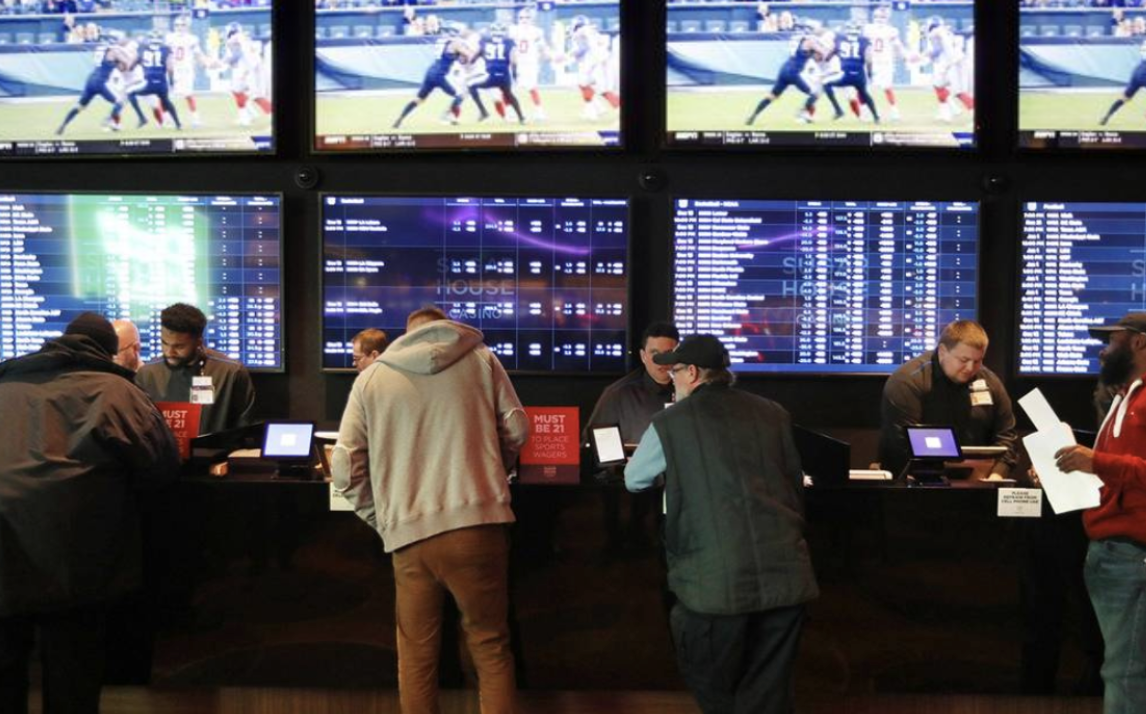
 PHOTO: —
The betting industry thrives because the sports industry exists. And it’s safe to say that the majority of bettors are originally sports fans. So it’s no surprise that those who place bets will often purchase tickets to games to watch the action play out live. For big events like the Super Bowl and March Madness, fans travel interstate, which often involves spending on flights, accommodations, and food.
For those that prefer digital streaming, they’ll spend instead on subscriptions to media and streaming services that cover sports content. Plenty of bettors will also be interested in acquiring jerseys and other sports memorabilia in order to feel more connected to the players and teams they love. This spillover spending is one of the main economic advantages.
Reduced Spending in Other Entertainment Sectors
An increase in spending on betting and related industries usually implies a decrease in the disposable income available for other leisure activities. Where betting is prioritized, consumer spending moves away from other entertainment sectors.
For instance, some people may redirect some of the income they’d usually use for other leisure activities like going to the movies or dining out and focus it on their betting activities. During peak sports season, a consumer may decide to forgo concert tickets in order to place more bets on more events.
The sports betting industry may benefit related industries like sports merchandise, as well as streaming, tourism, and hospitality businesses that promote sports or gambling.
At the same time, it can be parasitic to other entertainment sectors and industries that are not directly tied to sports engagement.
Although there’s criticism about sports betting and its potential to encourage detrimental spending habits, sports betting can be safe as long as you practice responsible gambling.
This will help curb vices such as chasing losses, impulse spending, and other psychological drivers for bad spending decisions.
PHOTO: —
Discover more from Philadelphia Sports Nation
Subscribe to get the latest posts sent to your email.

Categorized:Sports Betting WegENT Blog