
Why the Steagles Were Just the Beginning


It Was Both A Marriage of Necessity And Convenience.
In 1943, during the height of World War II, the Eagles and Steelers played together for one season. The lack of men able to play on the home front forced the two franchises to pool their resources.
Most NFL players had been deferred from the draft, but the shortage prompted Steelers owner Art Rooney to propose the idea.
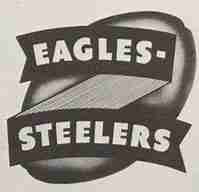
 PHOTO: WikiCommons
The proposal made sense on many levels. Eagles Founder Bert Bell was also a former coach of the Steelers, and just five years earlier, Art Rooney had proposed the Pennsylvania Keystones, a combined team that would play half of its games in Philly and half in Pittsburgh.
This wasn’t the only time that NFL teams had combined rosters. The CAAFC Buffalo Bills and Cleveland Browns joined in 1950. The AAFC New York Yankees team name and six players merged with New York Bulldogs to form the New York Yanks, with the remainder becoming New York Giants.
Guard Jack Sanders (formerly a Pittsburgh Steeler) joined the Eagles in 1945 after losing a wrist and his left hand while fighting on Iwo Jima. Eagles Guard Bucko Kilroy served in the Merchant Marines during World War II.
The Eagles saw tragedy from the war, too. Kicker and halfback Michael M. “Nick” Basca, a tank commander for the Third Army under George Patton, was killed in action. Harry Benson was killed in the Pacific Theater.
On the field, the Steagles were a near disaster. Greasy Neale and Walt Kiesling despised each other and refused to give up power to each other. Neale even took advantage of Kiesling’s late arrival to Training Camp at St. Joe’s College to install his own T-Formation offense.
It’s now something of lore that a player shortage forced the Eagles to merge with the Steelers in 1943. The Steagles ended the 1943 season 5–4–1. The Steelers were 7–4 in 1942. The Eagles, in their first decade of existence, on the other hand, had been a losing team.
But the dissolution of the Steagles began a post-World War II run that took the Eagles to the brink of a dynasty. One year later, the Eagles would draft USC running back Steve Van Buren. They would re-acquire quarterback Tommy Thompson in 1945, and key eventual Eagles players like Bucko Kilroy and Pete Pihos would return from the front.
By 1947, Greasy Neale’s Eagles had played in three consecutive championship games and won two of them. Finally, the Eagles were champions just four years after the Steagles.
PHOTO: WikiCommons
Discover more from Philadelphia Sports Nation
Subscribe to get the latest posts sent to your email.
Categorized:Eagles Unique Columns