
Essential Strategies for Muscle Recovery and Growth


Achieving optimal muscle recovery and growth requires a comprehensive, evidence-based approach that integrates nutrition, training strategies, rest, and lifestyle adjustments.
By implementing these scientifically supported methods, individuals can enhance their performance, expedite recovery, and maximize muscle development.
Prioritize Protein Intake for Muscle Repair
Protein plays a fundamental role in muscle recovery and growth by repairing damaged muscle fibers and facilitating new tissue development.
Engaging in resistance training causes microscopic tears in muscle fibers, making adequate protein consumption essential for recovery.
Key Protein Guidelines:
- Post-Workout Protein: Consume at least 20–30 grams of high-quality protein within 30–60 minutes after exercise to maximize muscle protein synthesis.
- Daily Protein Requirements: The International Society of Sports Nutrition (ISSN) recommends 1.4–2.0 g of protein per kg of body weight daily for muscle maintenance and growth.
- Protein Sources:
- Animal-Based: Lean meats (chicken, turkey, beef), eggs, fish (salmon, tuna), and dairy (Greek yogurt, cottage cheese).
- Plant-Based: Legumes (lentils, chickpeas), soy-based proteins (tofu, tempeh), quinoa, and nuts.
Implement Progressive Overload for Sustained Growth
Muscle adaptation requires consistent challenges. Progressive overload is the gradual increase of training intensity to stimulate muscle growth.
Methods of Progressive Overload:
- Increase Resistance: Gradually add weight to exercises to build strength.
- Enhance Repetitions or Sets: Performing additional reps or sets forces muscles to adapt.
- Decrease Rest Intervals: Shorter rest periods between sets improve endurance and hypertrophy.
By strategically applying these techniques, individuals can continuously push their muscles beyond previous limits, fostering sustained growth and adaptation.
Ensure Adequate Rest and Recovery
Muscle growth occurs during rest periods, not while training. Adequate rest allows the body to repair damaged muscle fibers and rebuild them stronger.
Key Recovery Strategies:
- Quality Sleep: Aim for 7–9 hours of uninterrupted sleep per night to optimize recovery hormone production, including growth hormone and testosterone.
- Scheduled Rest Days: Incorporate at least 1–2 rest days per week to prevent overtraining and muscle fatigue.
- Active Recovery: Engage in low-intensity activities like walking, swimming, or yoga to promote blood circulation without overstraining muscles.
When planning your gym visits, it’s essential to consider parking options to ensure a seamless experience. Many urban gyms may not offer dedicated parking facilities, making it necessary to find nearby parking solutions.
Utilizing hourly parking services can provide flexibility and convenience, allowing you to focus on your workout without worrying about parking restrictions.
Maintain Proper Hydration for Muscle Function
Hydration is critical for preventing muscle cramps, maintaining electrolyte balance, and supporting protein metabolism.
Hydration Guidelines:
- Pre-Workout: Drink 500ml (16 oz) of water 30–60 minutes before exercise.
- During Exercise: Consume 250ml (8 oz) of water every 15–20 minutes, depending on intensity and environmental conditions.
- Post-Workout: Rehydrate by drinking 1.5 liters (50 oz) per kg of body weight lost during exercise.
Electrolyte-rich fluids, such as coconut water or sports drinks, may be beneficial after intense training sessions.
Optimize Carbohydrate Consumption for Energy Restoration
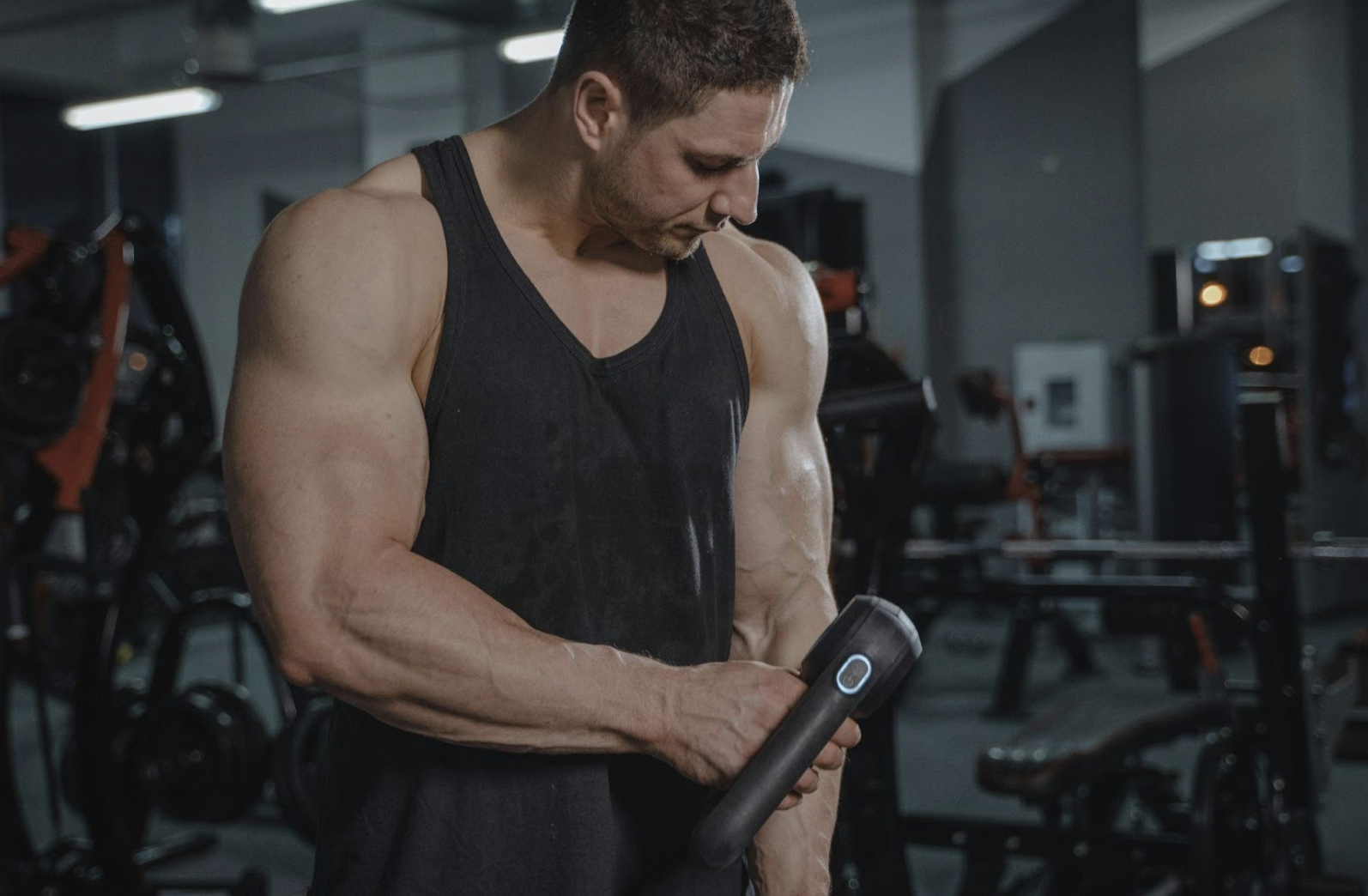
 PHOTO: Tima Miroshnichenko/Pexels
Carbohydrates play a vital role in replenishing glycogen stores, the primary energy source for muscle function.
Post-exercise carbohydrate intake enhances recovery and prepares the body for subsequent workouts.
Recommended Carbohydrate Sources:
- Complex Carbohydrates: Whole grains (brown rice, quinoa, oats), sweet potatoes, and legumes.
- Simple Carbohydrates (Post-Workout): Fruits, honey, and high-glycemic foods aid in faster glycogen replenishment when paired with protein.
Utilize Targeted Supplementation for Enhanced Recovery
While whole foods should be prioritized, certain supplements can effectively support muscle recovery and performance.
Evidence-Based Supplements:
- Creatine Monohydrate: Proven to increase muscle strength, reduce fatigue, and improve glycogen replenishment.
- Whey and Plant-Based Protein Powders: Convenient sources of complete protein for muscle repair.
- Branched-Chain Amino Acids (BCAAs): May reduce muscle soreness and enhance recovery, particularly during prolonged training sessions.
- Omega-3 Fatty Acids: Found in fish oil, omega-3s help reduce inflammation and accelerate muscle repair.
As research into muscle recovery and athletic performance advances, new compounds have emerged that aim to support endurance, lean muscle retention, and recovery efficiency. Some individuals explore alternative strategies that work alongside traditional supplementation methods to optimize their training results. Understanding the mechanisms behind these compounds and their potential role in performance enhancement is essential for those looking to refine their recovery protocols.
It is advisable to consult a healthcare professional before incorporating supplements into a diet.
Incorporate Compound Exercises for Maximum Efficiency
Compound movements activate multiple muscle groups, leading to greater strength development and metabolic efficiency.
Top Compound Movements:
- Lower Body: Squats, deadlifts, lunges.
- Upper Body: Bench press, overhead press, pull-ups.
- Full Body: Clean and press, kettlebell swings.
Implementing compound exercises maximizes muscle activation, reduces workout time, and promotes functional strength.
Manage Stress to Optimize Recovery and Growth
Chronic stress increases cortisol levels, which can impair muscle recovery and hinder performance. Managing stress effectively enhances recovery and overall well-being.
Effective Stress-Reduction Techniques:
- Mindfulness & Meditation: Reduces stress hormones and promotes relaxation.
- Breathing Exercises: Deep breathing techniques help regulate the nervous system.
- Leisure Activities: Engaging in hobbies and social interactions can mitigate stress levels.
Avoid Overtraining to Prevent Performance Decline
Training excessively without adequate recovery can lead to fatigue, increased injury risk, and diminished performance.
Signs of Overtraining:
- Persistent muscle soreness lasting more than 72 hours.
- Declining strength levels despite consistent effort.
- Disrupted sleep patterns and increased irritability.
To prevent overtraining, ensure structured periodization, incorporating cycles of varying intensity to allow proper recovery.
Leverage Nutrient Timing for Optimal Recovery
Consuming strategic nutrient combinations at specific times can enhance muscle recovery and growth.
Ideal Nutrient Timing:
- Pre-Workout: A combination of protein and slow-digesting carbohydrates (e.g., chicken and quinoa).
- Post-Workout: A fast-digesting protein (e.g., whey isolate) paired with simple carbohydrates (e.g., banana) within 30–60 minutes of training.
- Before Bed: Casein protein (found in dairy products) to support overnight muscle repair.
By aligning nutrient intake with training sessions, individuals can accelerate recovery and maximize muscle synthesis.
Final Thoughts on Muscle Recovery and Growth
Muscle recovery and growth depend on a holistic and evidence-based approach that includes strategic training, balanced nutrition, quality rest, and stress management.
By implementing these research-backed strategies, individuals can enhance muscle repair, prevent injuries, and achieve sustained strength gains.
By focusing on scientifically supported recovery techniques, we can optimize performance, maintain consistency, and achieve long-term fitness success.
PHOTO: Tima Miroshnichenko/Pexels
Discover more from Philadelphia Sports Nation
Subscribe to get the latest posts sent to your email.

Categorized:National WegENT Blog