
Horse Racing•Sports Betting•WegENT Blog
How the Preakness Stakes Compare to Other Triple Crown Races: A Deep Dive


The Triple Crown is the pinnacle of American horse racing, made up of three iconic races for 3-year-old thoroughbreds: the Kentucky Derby, the Preakness Stakes, and the Belmont Stakes.
Each race presents its own test of speed, stamina, and strategy, and together they form one of the most difficult achievements in sports.
Among the three, the Preakness Stakes holds a unique place as the second and most strategically crucial leg. First run in 1873 at Pimlico Race Course in Baltimore, it often determines whether a Triple Crown bid stays alive or ends abruptly.
Let’s further discuss what makes the Preakness Stakes stand out within the Triple Crown here.
What Makes the Preakness Stakes Special?
Timing Is Everything
The Preakness is run just two weeks after the Kentucky Derby. That’s a quick turnaround in horse racing, especially for 3-year-olds who are still maturing physically. This tight schedule puts serious pressure on both the horse’s stamina and the trainer’s ability to keep them sharp and ready in a short amount of time.
A True Strategy Race
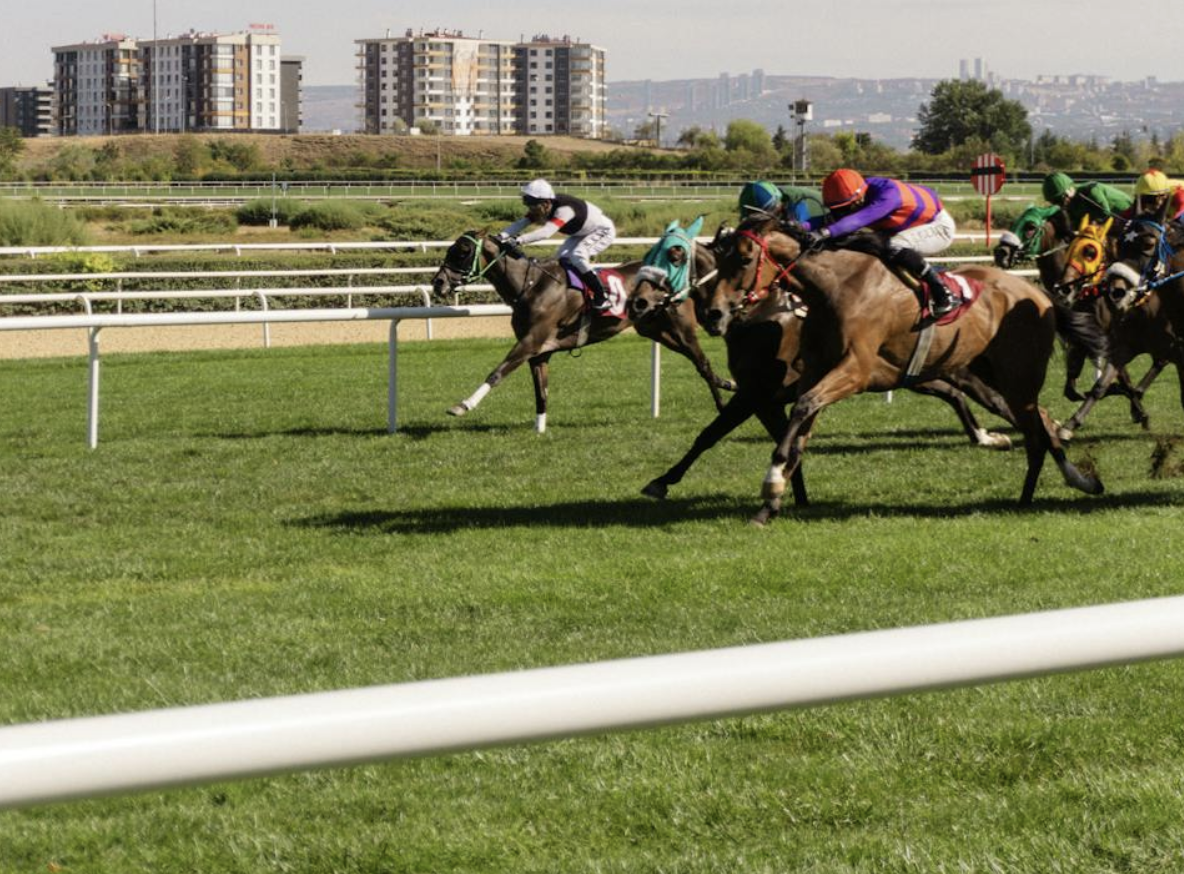
 PHOTO: Pexels
With a distance of 1 3/16 miles, the Preakness falls between a classic route and a sprint. This middle ground demands a unique blend of skills. Horses need early speed, the ability to control their pace, and a strong finishing kick in the final stretch. Jockeys must also balance aggression with patience. They have to push for position early without tiring the horse too soon and wait for the right moment to make a move without getting boxed in.
Smaller Field, Bigger Moves
Unlike the Kentucky Derby, which often fields 20 horses, the Preakness usually features between 8 and 14. Fewer runners mean less crowding at the break and fewer chances for traffic trouble during the race. With more space to maneuver, tactical decisions become more important. This often benefits horses with tactical speed, meaning they can settle into a strong position early and respond when it matters most.
High Stakes, Fast Pace
By the time the Preakness arrives, the stakes in most platforms like FanDuel Sportsbook are already sky-high. If the Derby winner is running, all eyes are on them to see if they can take the second step toward the Triple Crown. If a fresh contender wins, the competition resets, making the Belmont a wide-open finale. That sense of urgency and unpredictability gives the Preakness an added layer of intensity.
The Culture and Energy
While the Kentucky Derby is known for its pageantry and tradition, the Preakness has a more vibrant and rowdy personality. The infield party at Pimlico is one of the biggest attractions of the weekend. It’s a mix of local pride, youthful energy, and race-day excitement. The Preakness blends serious competition with a celebratory atmosphere, giving it a character all its own.
Preakness Stakes vs Kentucky Derby
The Kentucky Derby is the most high-profile race of the Triple Crown, featuring a larger purse, a massive crowd, and a full field of 20 horses. It draws nearly every top 3-year-old in the country, making it a deeply competitive and often unpredictable race. The longer distance and crowded starting gate demand stamina and the ability to navigate through traffic, making both luck and positioning especially important.
In contrast, the Preakness Stakes tend to offer a clearer race shape. With a smaller field and a slightly shorter distance, it becomes more about race tactics than managing chaos. Jockeys can focus on setting the pace or stalking the leaders without as much early congestion.
Preakness Stakes vs Belmont Stakes
The Belmont Stakes, known as the “Test of the Champion,” is the final and longest leg of the Triple Crown. It stretches 1 1/2 miles, a distance that demands endurance and composure from both horse and jockey. The sweeping turns and deep surface at Belmont create a different kind of challenge, rewarding horses with stamina and the ability to maintain a strong, consistent pace.
By comparison, the Preakness is a sharper, more speed-driven race. The tighter turns at Pimlico and the shorter distance shift the emphasis to early positioning and race-day execution. Instead of waiting for a late run, many Preakness contenders win by getting to the front early and controlling the pace.
Betting Approach: Is Preakness For Me?
If you’re new to horse racing, the Preakness Stakes might be the easiest of the Triple Crown races to get started with. As stated, the race has a smaller field and a faster, more straightforward race. This makes it easier to spot the favorites and understand the pace. Simple bets like win (picking the winner), place (finishing top two), or show (finishing top three) are great options here.
For more experienced bettors, the Preakness Stakes is still a great chance to use strategy and find value. With fewer horses and a clearer race setup, it’s easier to figure out how the race might unfold and which horses are most likely to perform well. Two of the best bets to consider are the exacta (picking the first and second horses in the right order) and the daily double (picking the winners of two races in a row, often including the Preakness).
These bets offer solid payouts without being too risky, especially when backed by smart research.
PHOTO: Pexels
Discover more from Philadelphia Sports Nation
Subscribe to get the latest posts sent to your email.

Categorized:Horse Racing Sports Betting WegENT Blog